The practical differences
| Starting point | Seat options to explore | Question to answer |
|---|---|---|
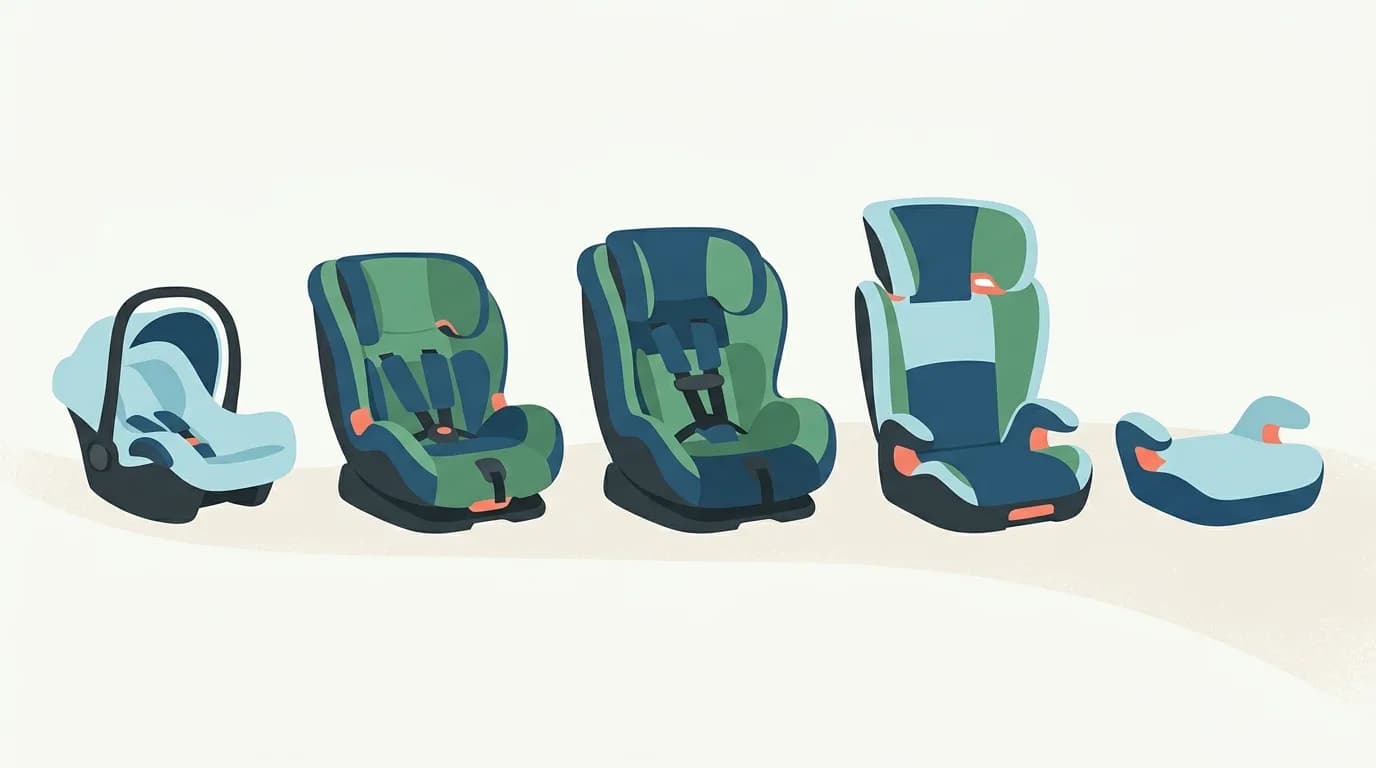
| Newborn | Infant seat or suitable convertible | Do you want to carry the seat out of the car? |
| Baby | Infant seat or convertible | Which fit limit will be reached first? |
| Toddler | Convertible, including rotating designs | How does loading work in your vehicle? |
| Preschooler | Continue the suitable harnessed restraint | What does the manual say about the current mode? |
| Big kid | Harness, booster or belt, according to fit | Can the child maintain the required position? |
Check the exact model’s requirements before choosing a restraint. NHTSA: car seat recommendations by age and size (opens in a new tab)
Newborn: start rear-facing
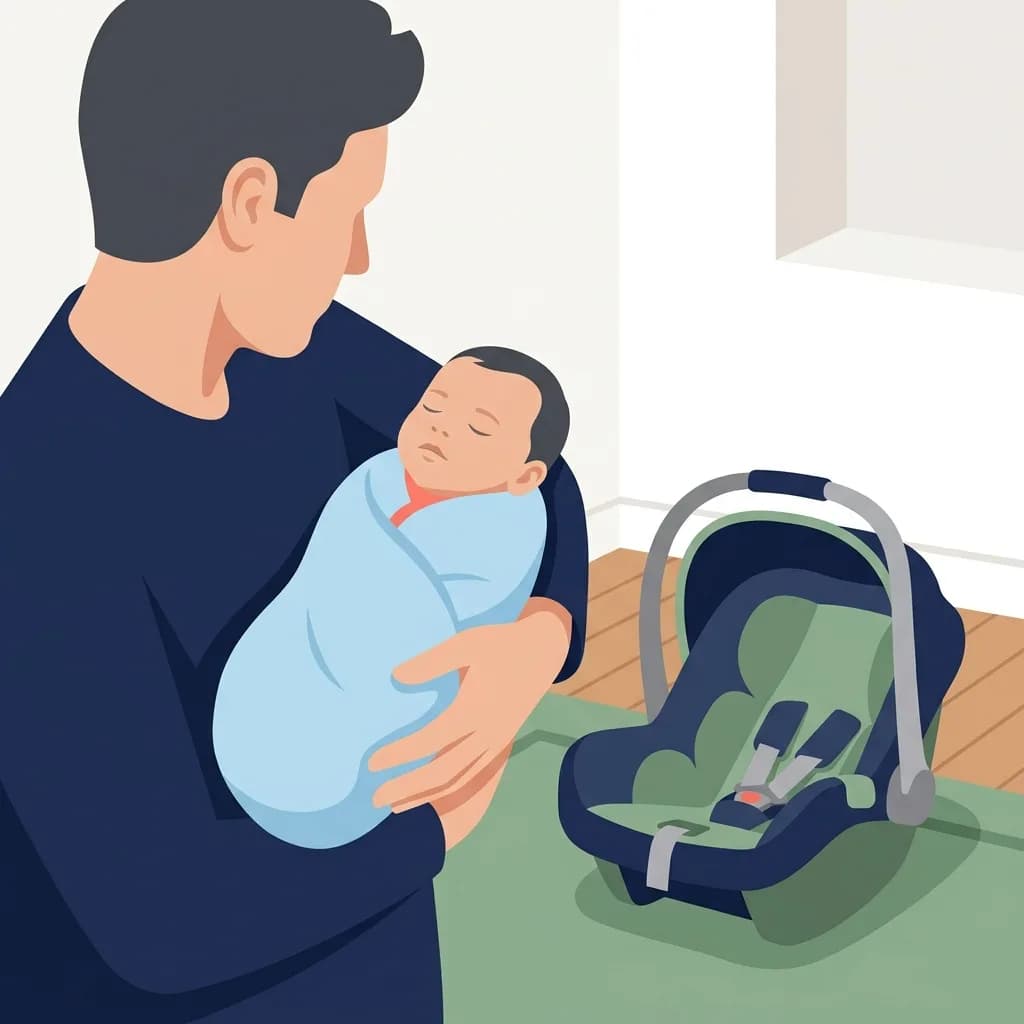
A newborn can use an infant seat or a rear-facing convertible that meets every fit requirement. Decide whether you want a removable carrier.
Baby: watch the fit as they grow
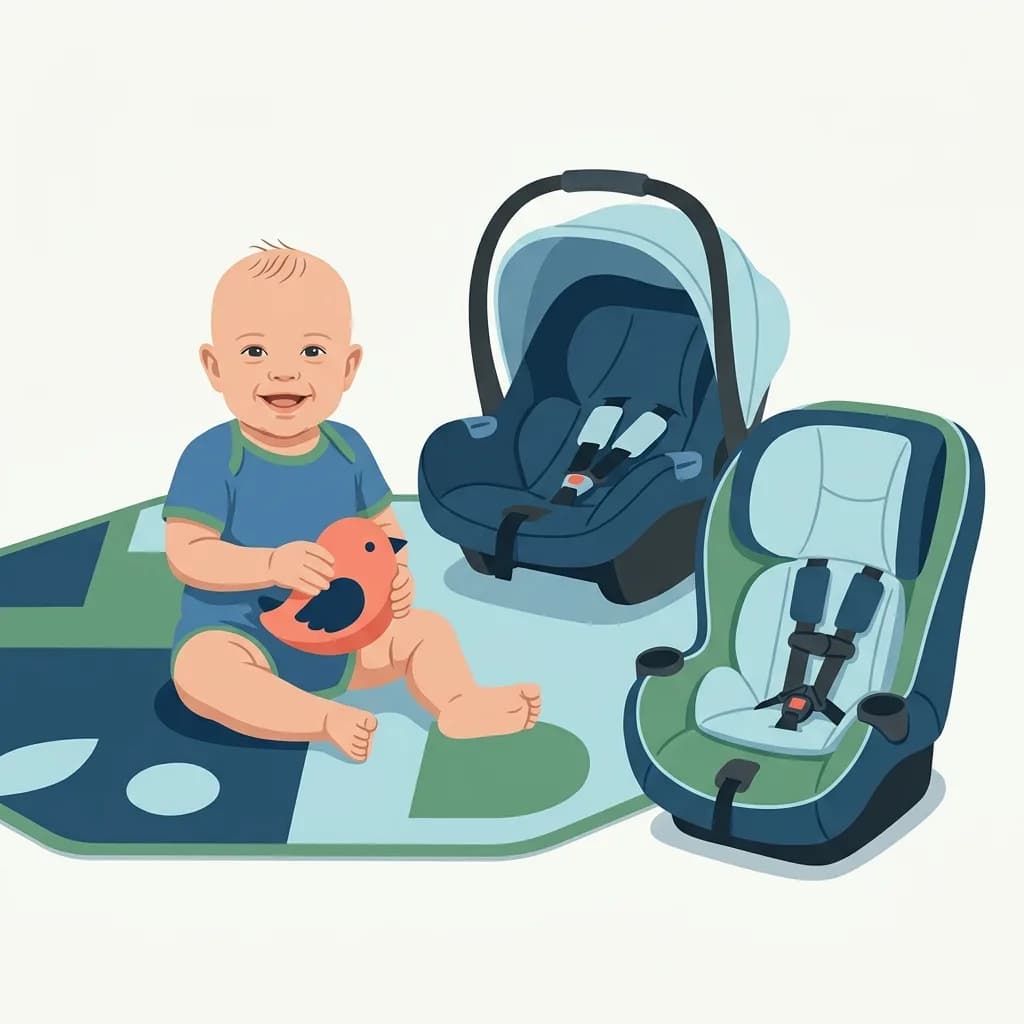
Keep using a rear-facing seat within its limits. Outgrowing an infant carrier can mean moving to a rear-facing convertible, rather than facing forward.
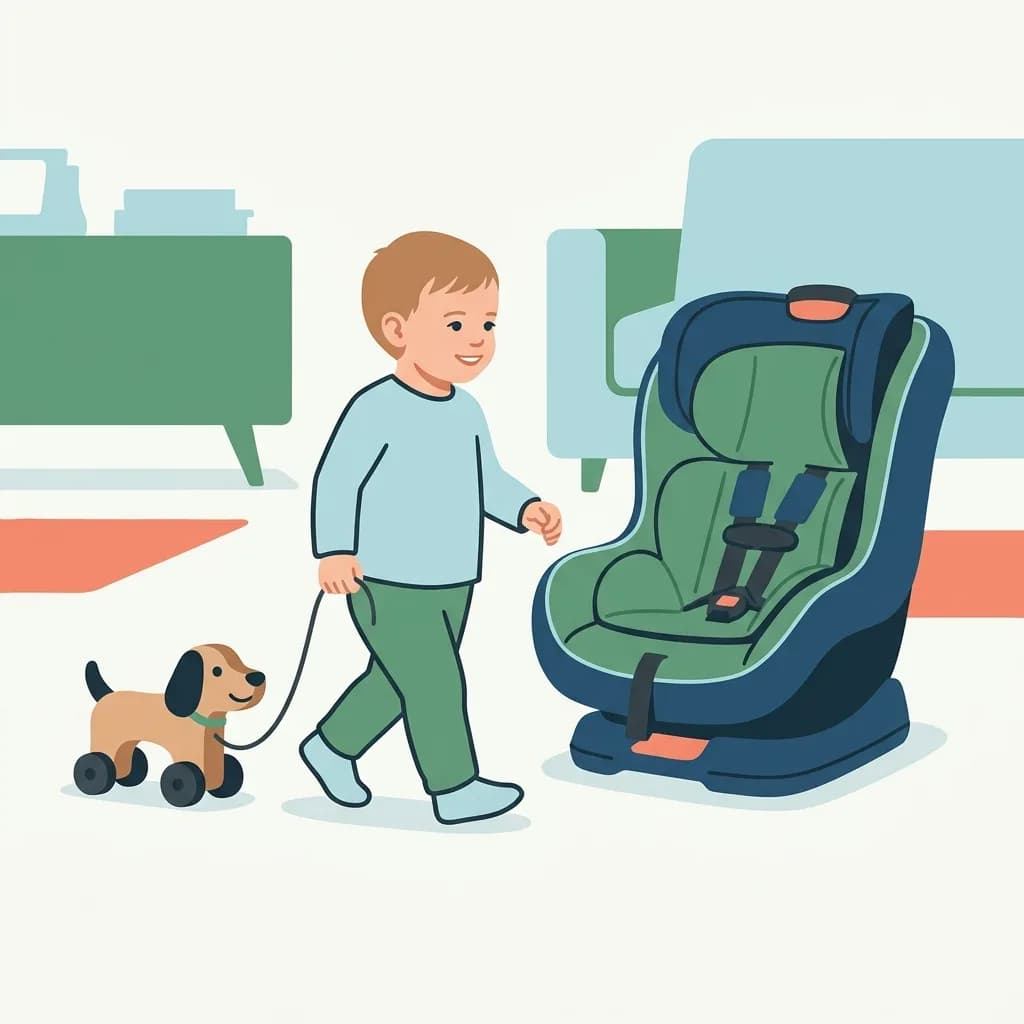
Toddler: make room for rear-facing
NHTSA recommends rear-facing until the seat’s upper height or weight limit is reached. Walking or a birthday is not a reason to turn the seat.
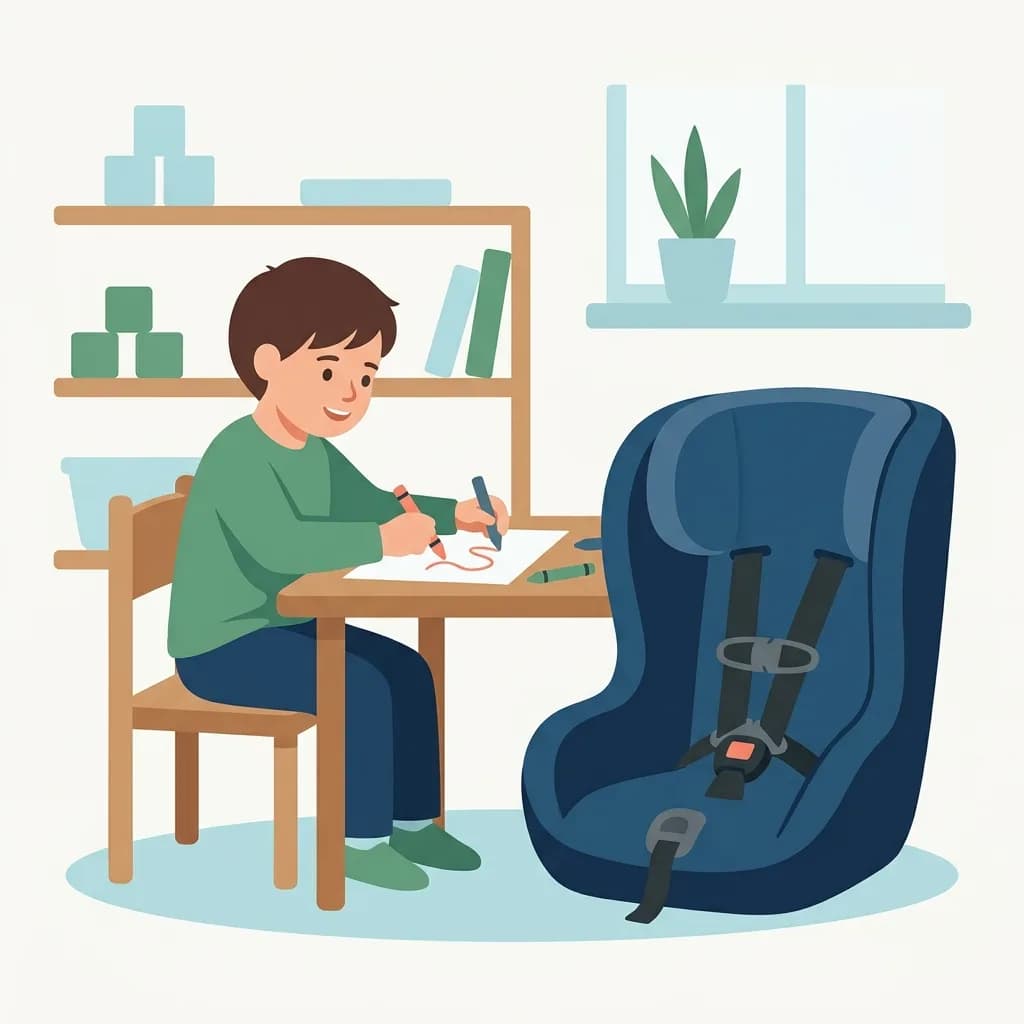
Preschooler: check the harness limits
Continue the mode that fits. After rear-facing is outgrown, use a suitable forward-facing harness and tether. Check harness limits before considering a booster.
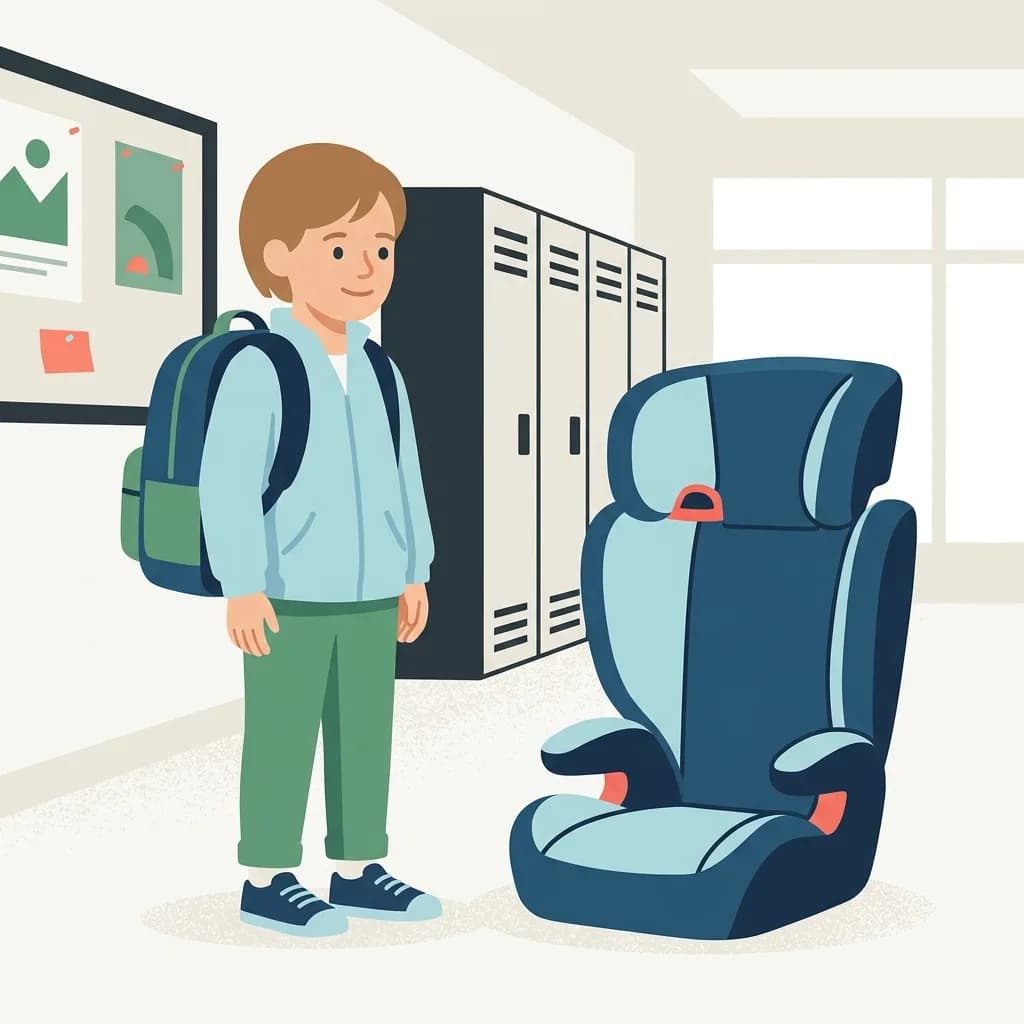
Big kid: let belt fit guide the next step
Once a harness is outgrown, check booster requirements and sitting behavior. Keep using a booster until the vehicle belt fits correctly on its own.
Common questions
Do I need to buy a different seat for every stage?
No. These labels help you find advice. A convertible has more than one harness mode, and some boosters have both high-back and backless configurations. Compare the specific model and your routine before planning several purchases.
Is a rotating seat another stage?
Rotation is a feature for loading, not a separate stage. The Fit360 model in this catalog is a convertible with rear-facing and forward-facing harness modes. Its manual still determines the permitted configuration.
Does the child’s age tell me which seat to buy?
Age is one part of the decision. Size, the manual’s fit conditions, the vehicle and the child’s ability to stay positioned also matter. Use the links here to build a shortlist, then check the actual instructions.
Go to the original source
NHTSA: car seat recommendations by age and size (opens in a new tab)
For individual fit or installation, consult both manuals and seek qualified help. This guide is not an installation manual.