Toddler car seats
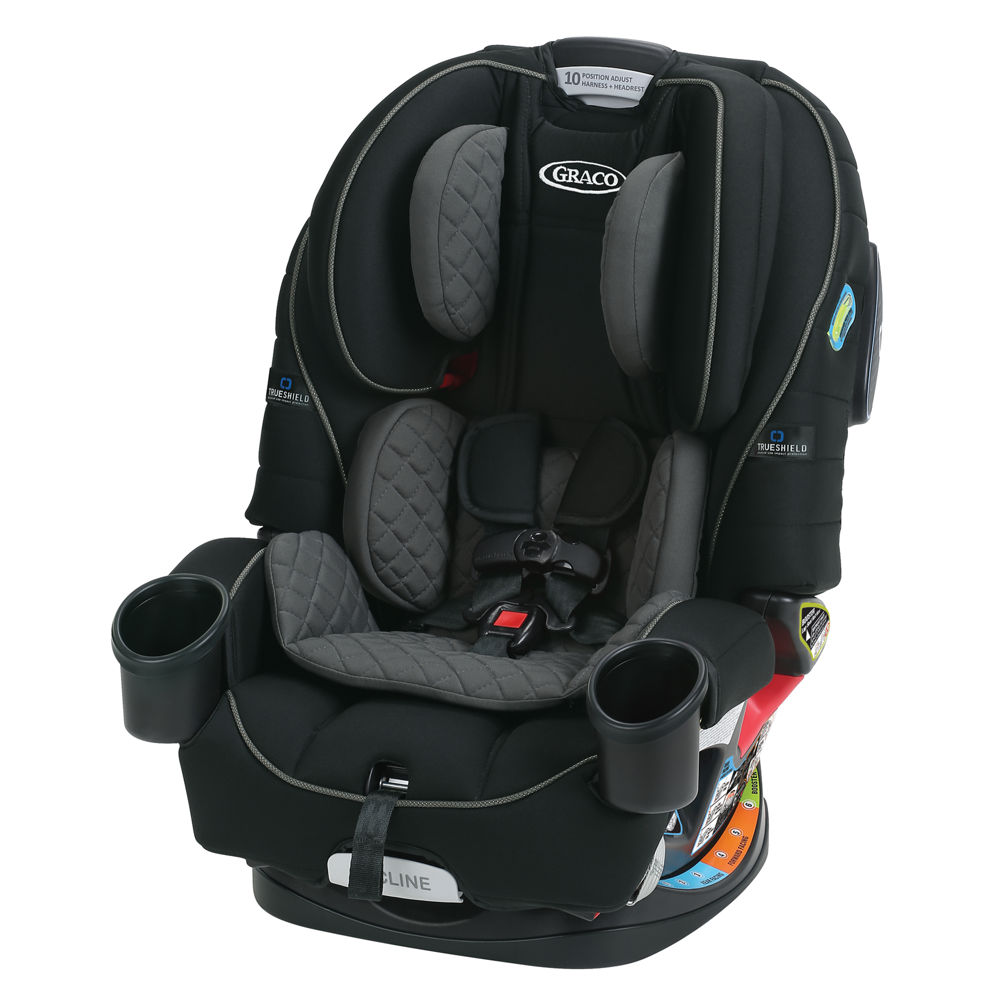
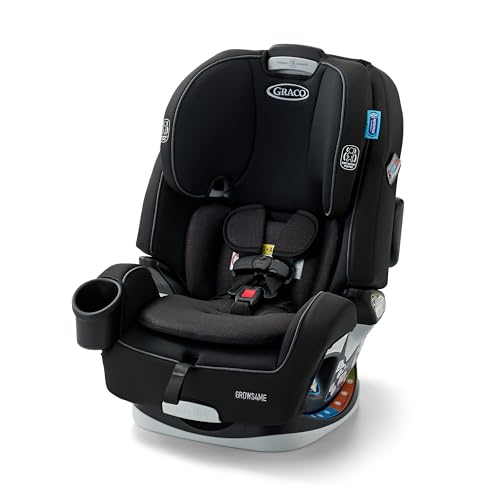
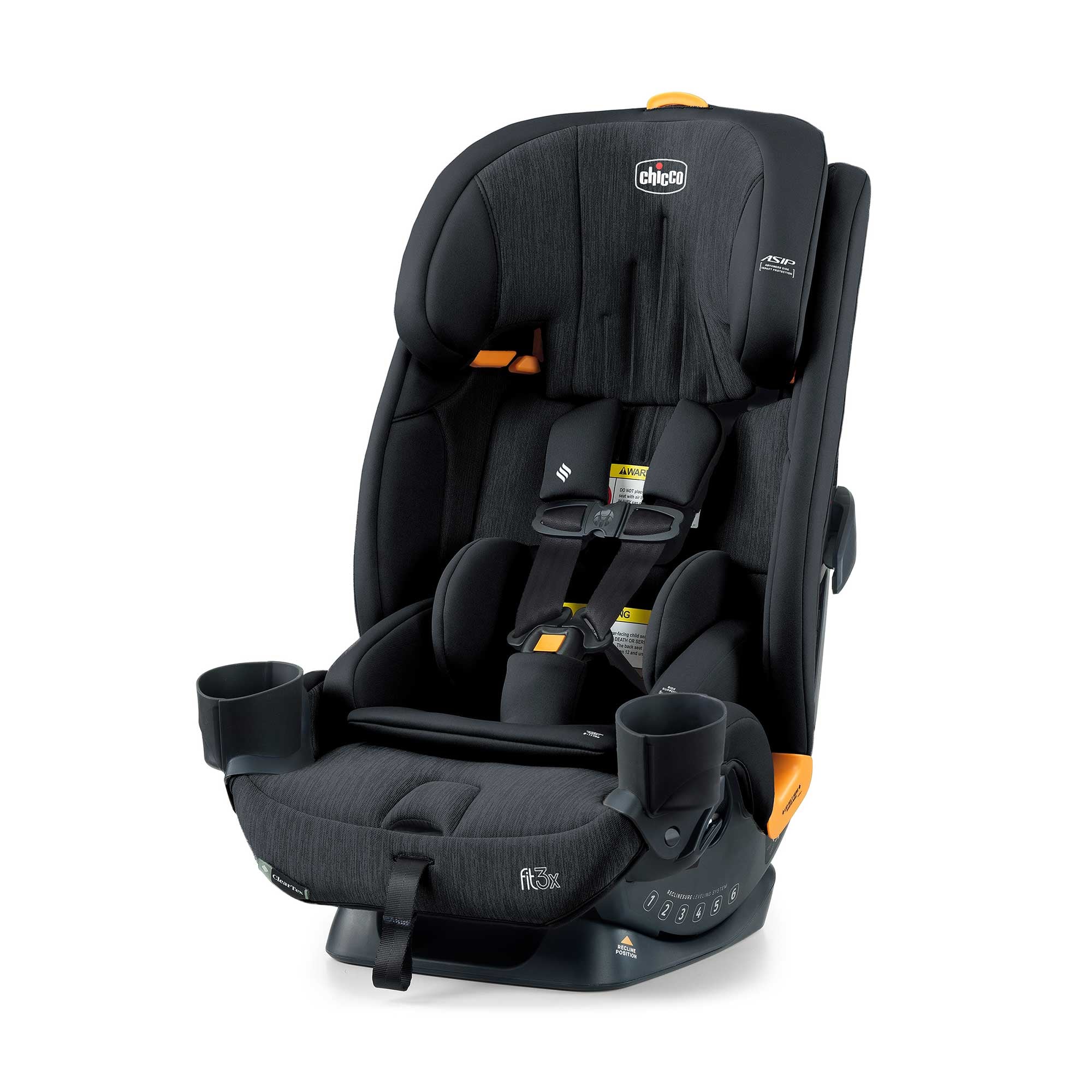
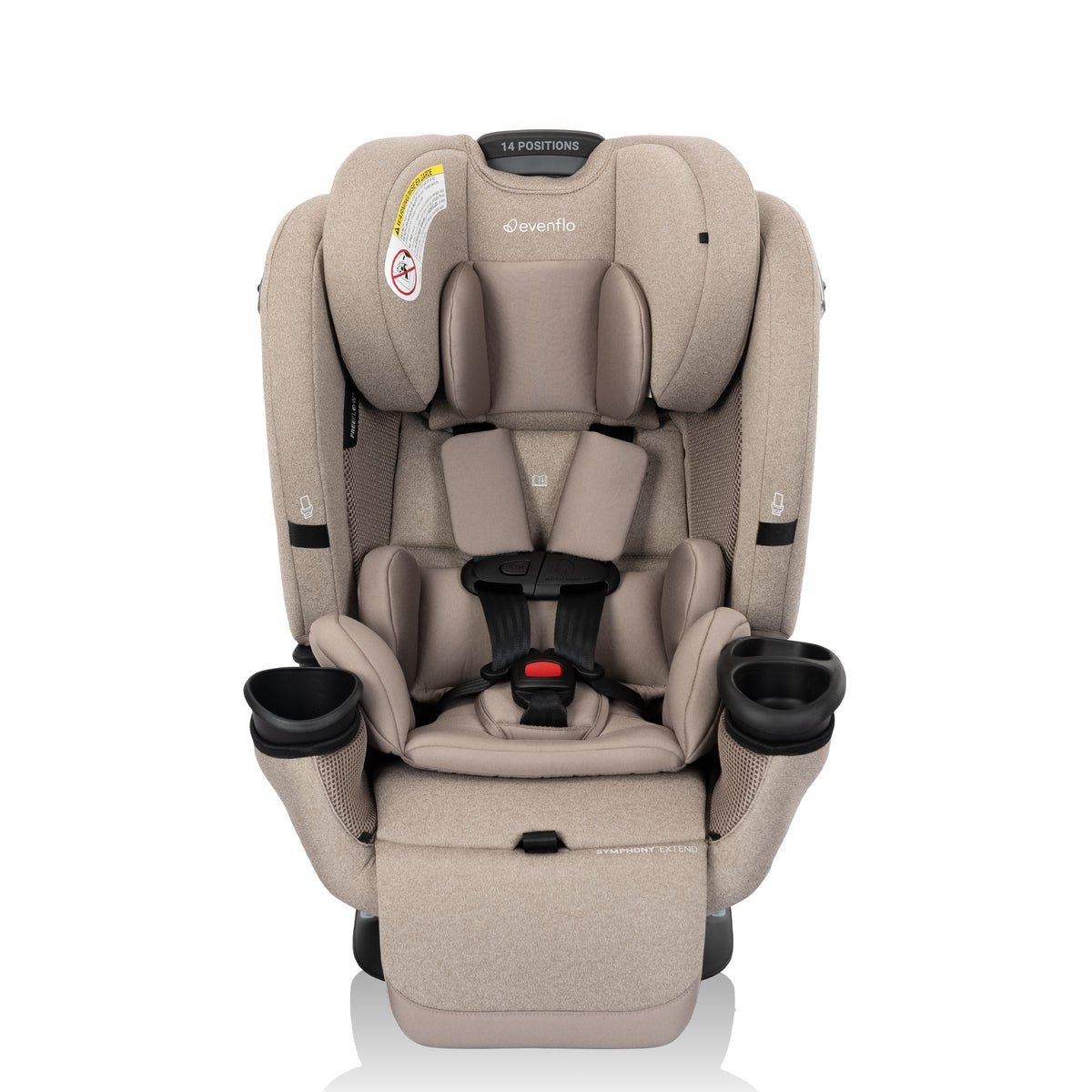
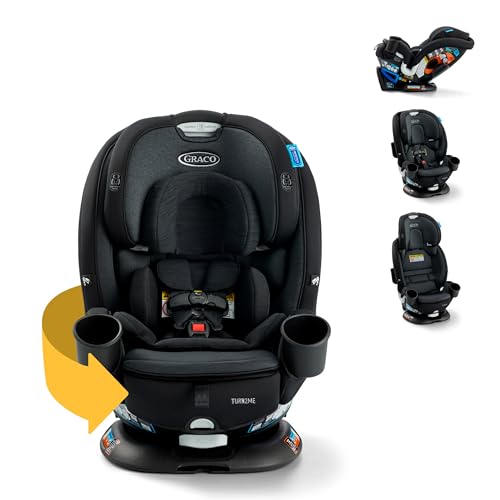
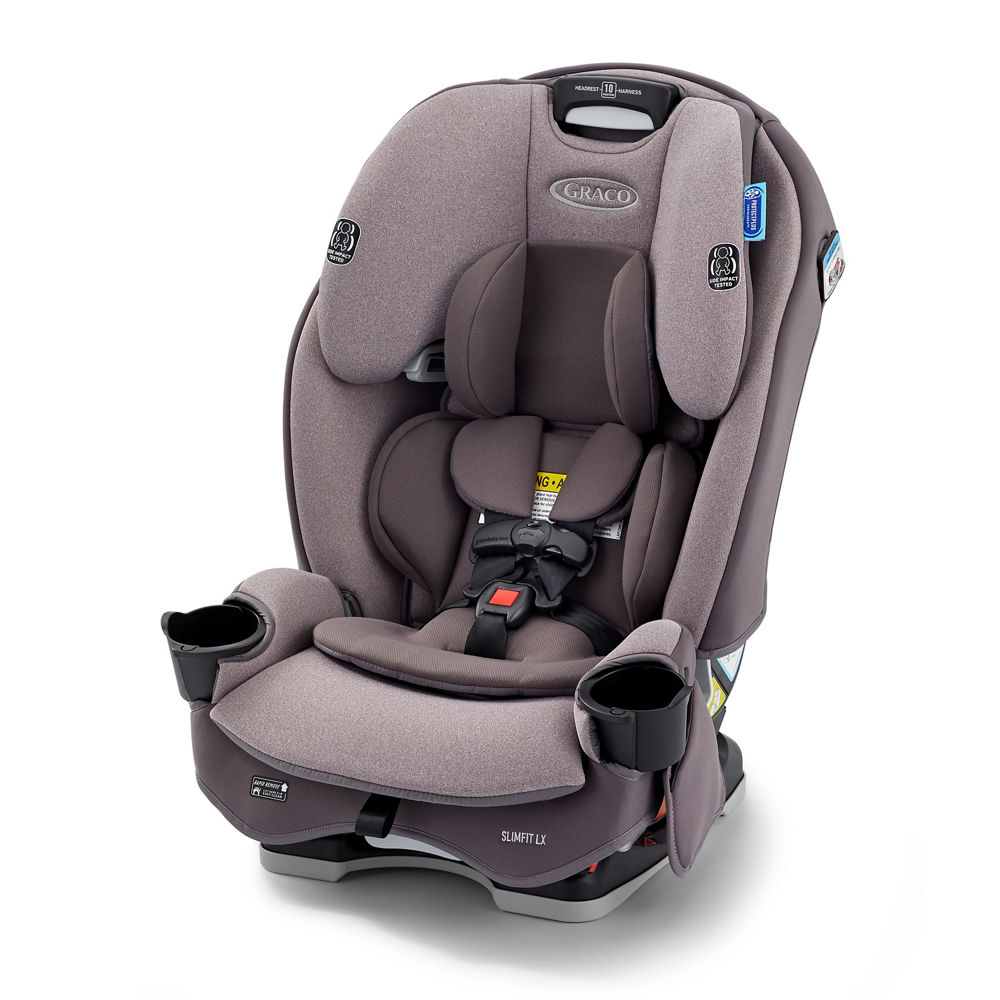
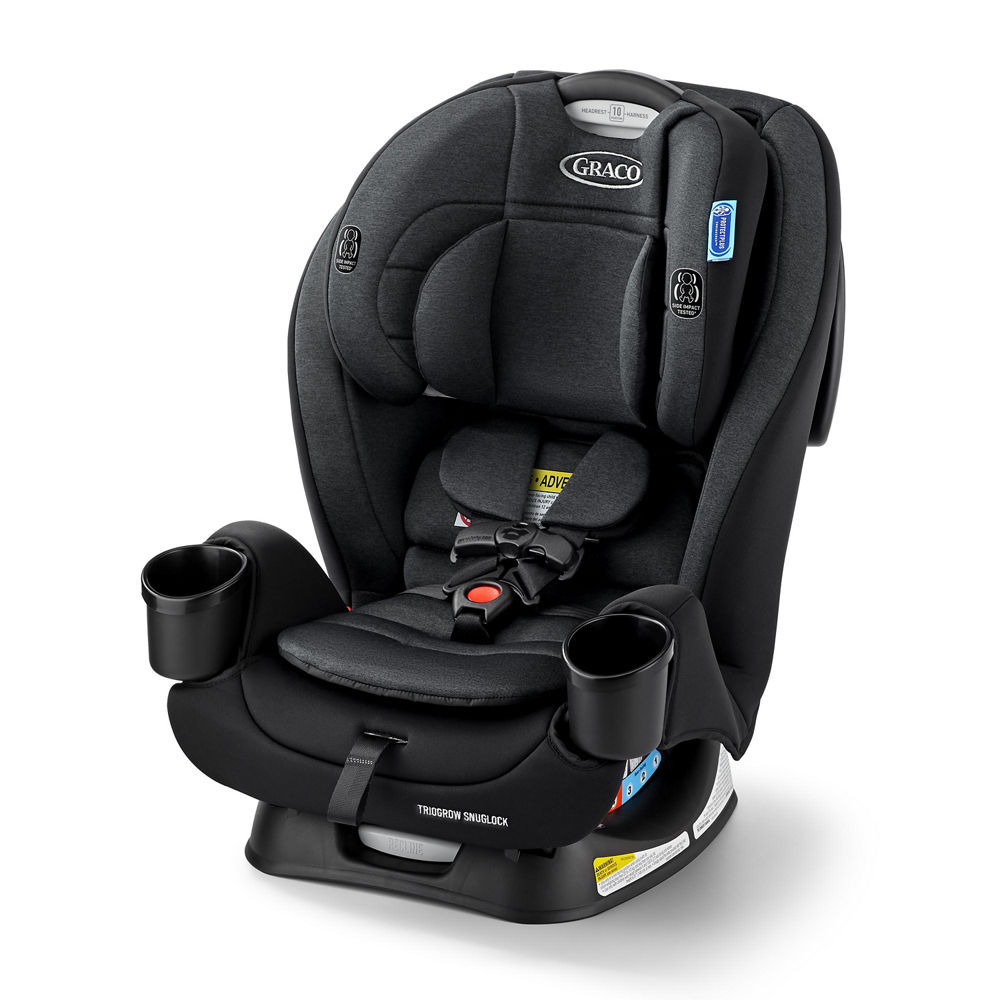
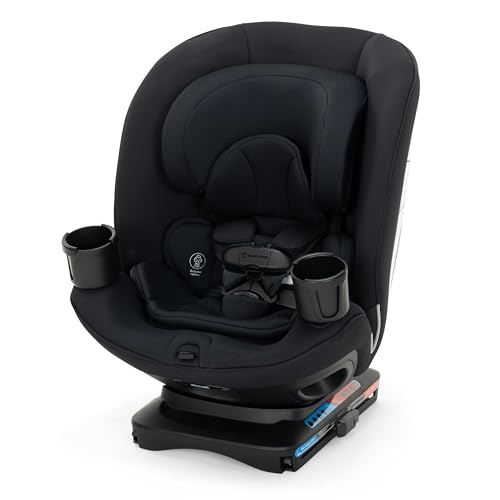
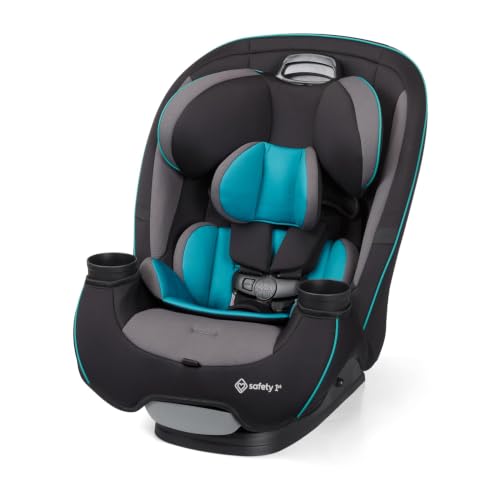
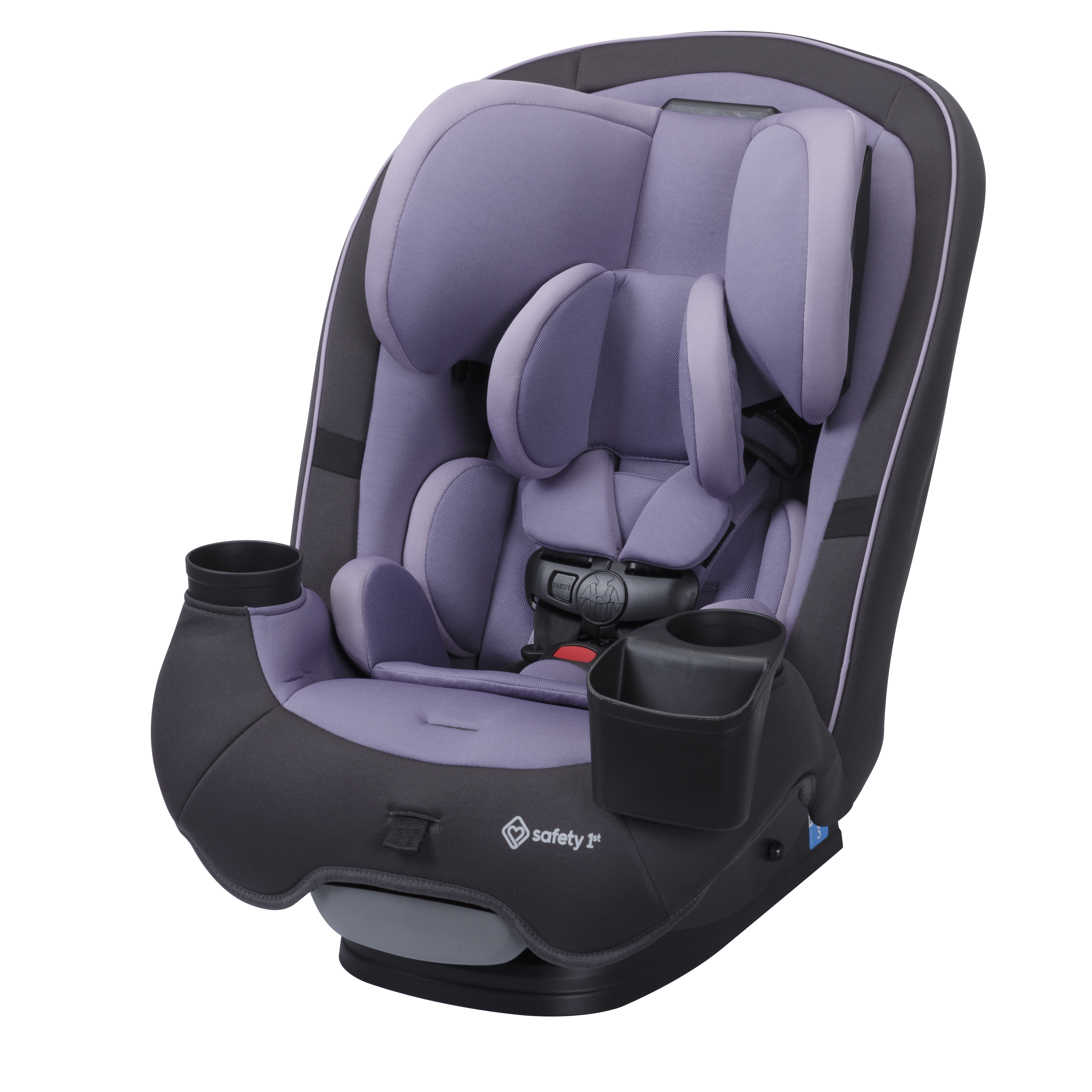
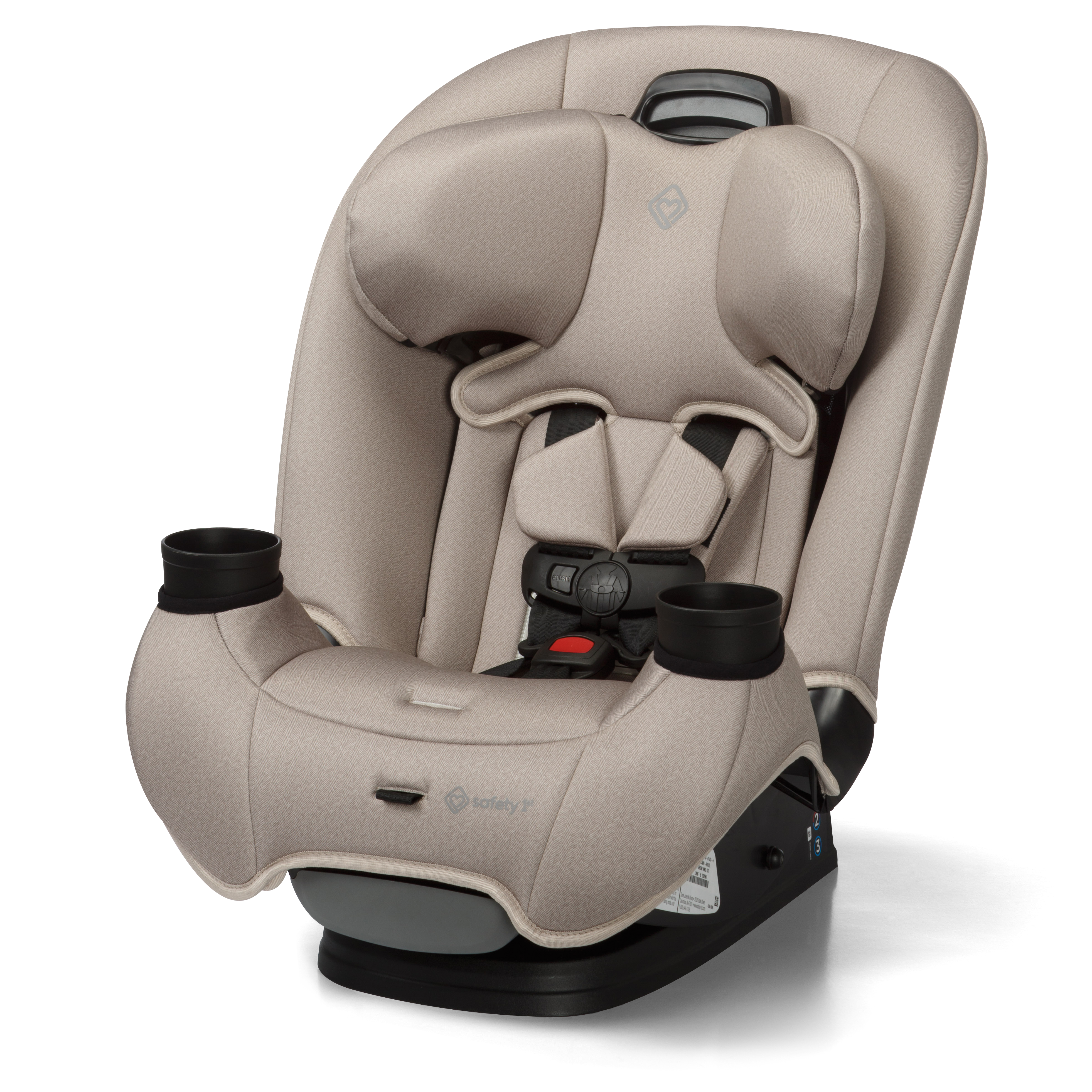
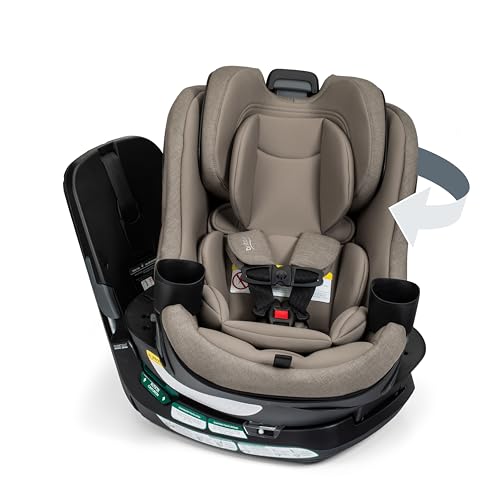
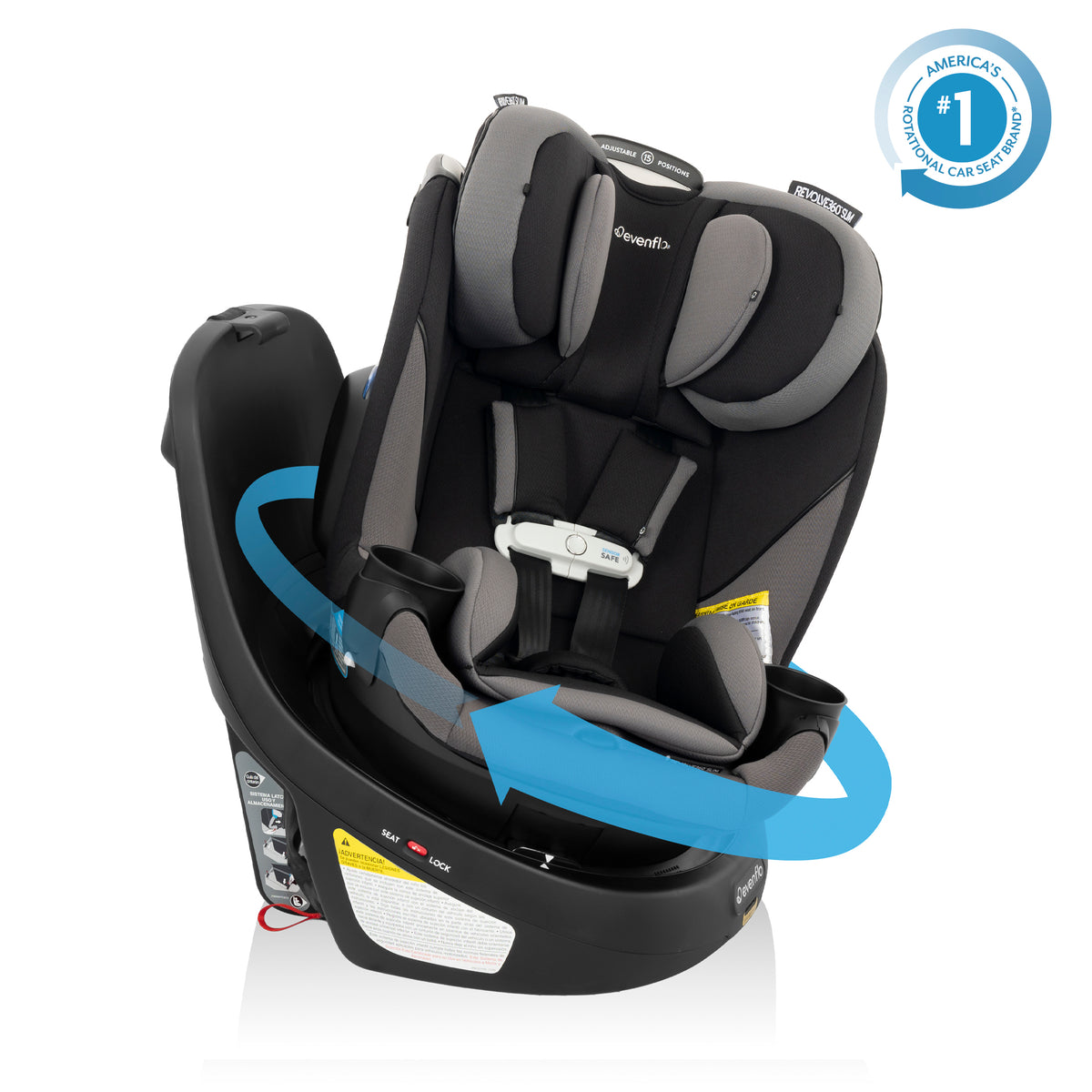
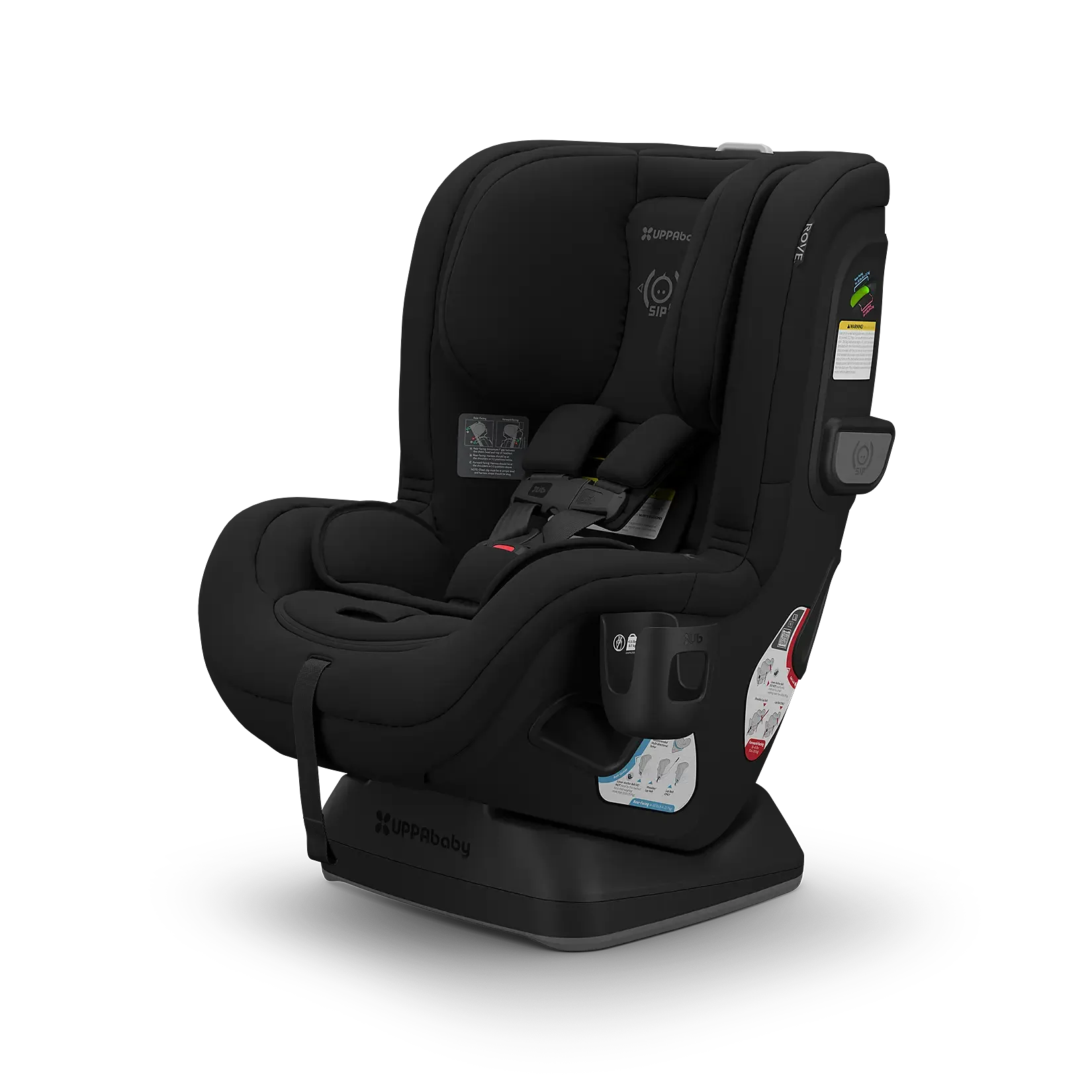
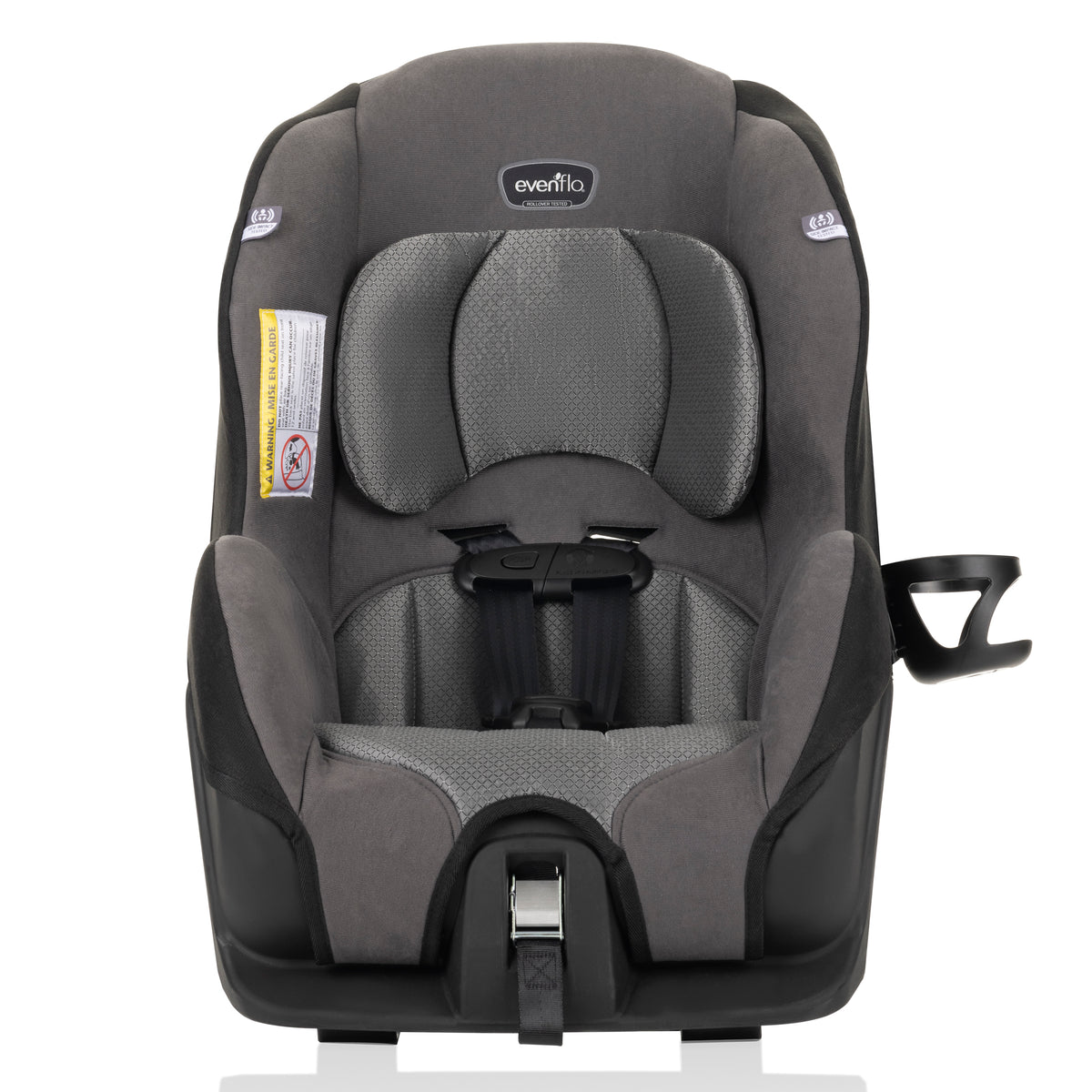
There is no separate category called a toddler car seat. A toddler normally stays in the seat they already have, rear-facing, until they reach its published weight, height or head-clearance limit. The seats that cover the toddler years are convertibles, rotating convertibles, all-in-ones and harness-to-booster seats.
92 US models from 14 brands have a mode that covers 20 to 40 lb, the weight range most toddlers pass through. Limits were checked against each manufacturer’s site and manuals on September 17, 2026.
Car seats by age, one to four
What car seat should my 1 year old have?
Almost always the rear-facing seat they are already in. NHTSA advises rear-facing until the seat's own limit is reached, and a first birthday is not one of those limits. If they have outgrown an infant carrier, the next seat is a rear-facing convertible, not a forward-facing one.
What car seat should my 2 year old have?
Still the rear-facing mode if any limit remains. Most two year olds are well inside the rear-facing limits of a convertible, and turning the seat forward-facing is a step to take once rear-facing is genuinely outgrown, not on a birthday.
Should my 3 year old be in a car seat or a booster?
A harness, not a booster, in almost every case. A booster needs a child who stays seated correctly for the whole ride, and the manuals themselves set a minimum age for booster use that most three year olds have not reached.
Can a 4 year old use a booster seat?
Only once the harness is outgrown and the child meets the booster's own requirements, including weight, height and the ability to sit correctly for the entire ride. Reaching a booster's minimum age is permission, not a recommendation to switch.
Your state’s rules set a legal floor that is usually below what the manual requires. Check your state’s law.