Infant car seat
Chicco KeyFit 35
A carrier you can lift out of its base.
- Rear-facing limit
- 35 lb
- Height limit
- 32 in
228 US baby car seats from 15 brands, compared by the weight, height and age limits each manufacturer publishes in its own manual. Start with your child’s stage, then check the limits that decide whether a seat actually fits them and your car.
Specifications checked September 17, 2026. No hands-on or crash testing. How I research
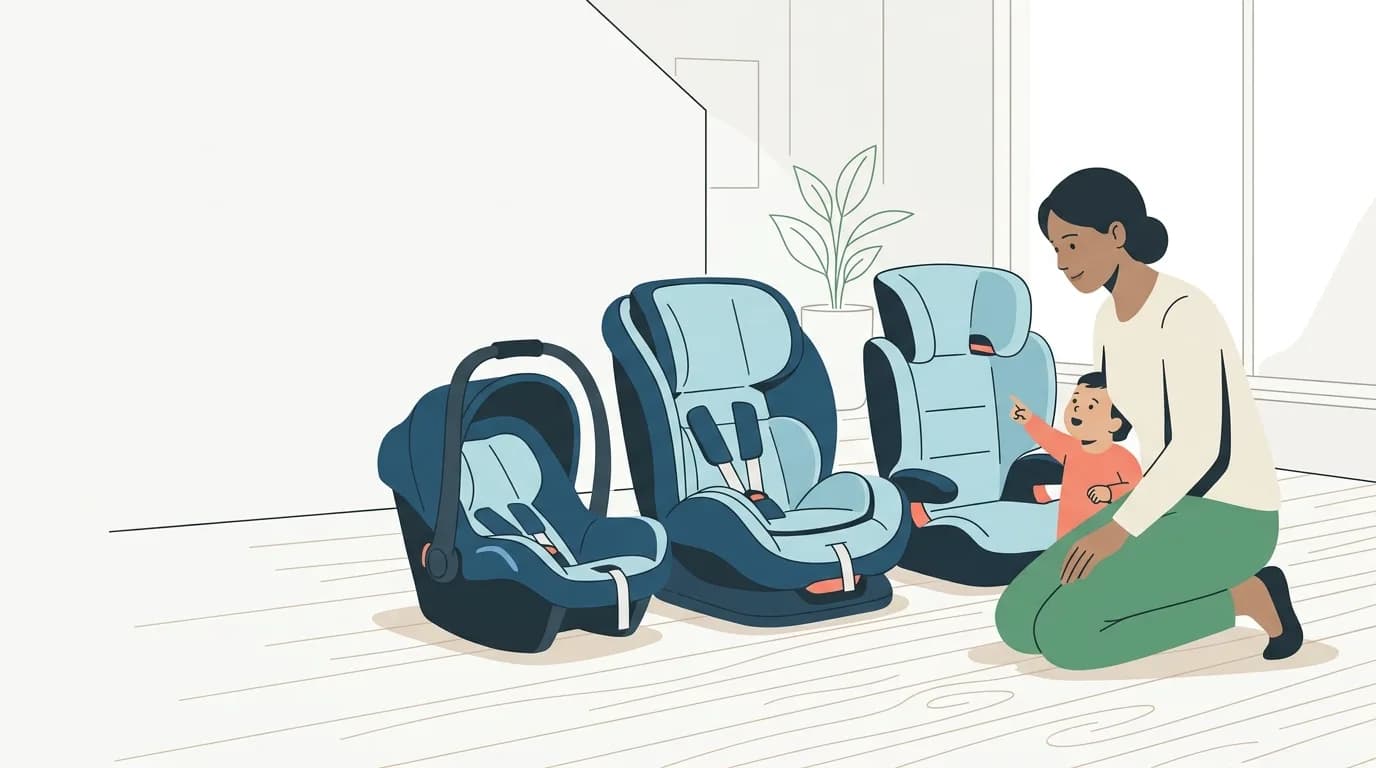
Pick a stage to see which seat types usually suit it. Your child’s size and readiness decide the next step, not a birthday.
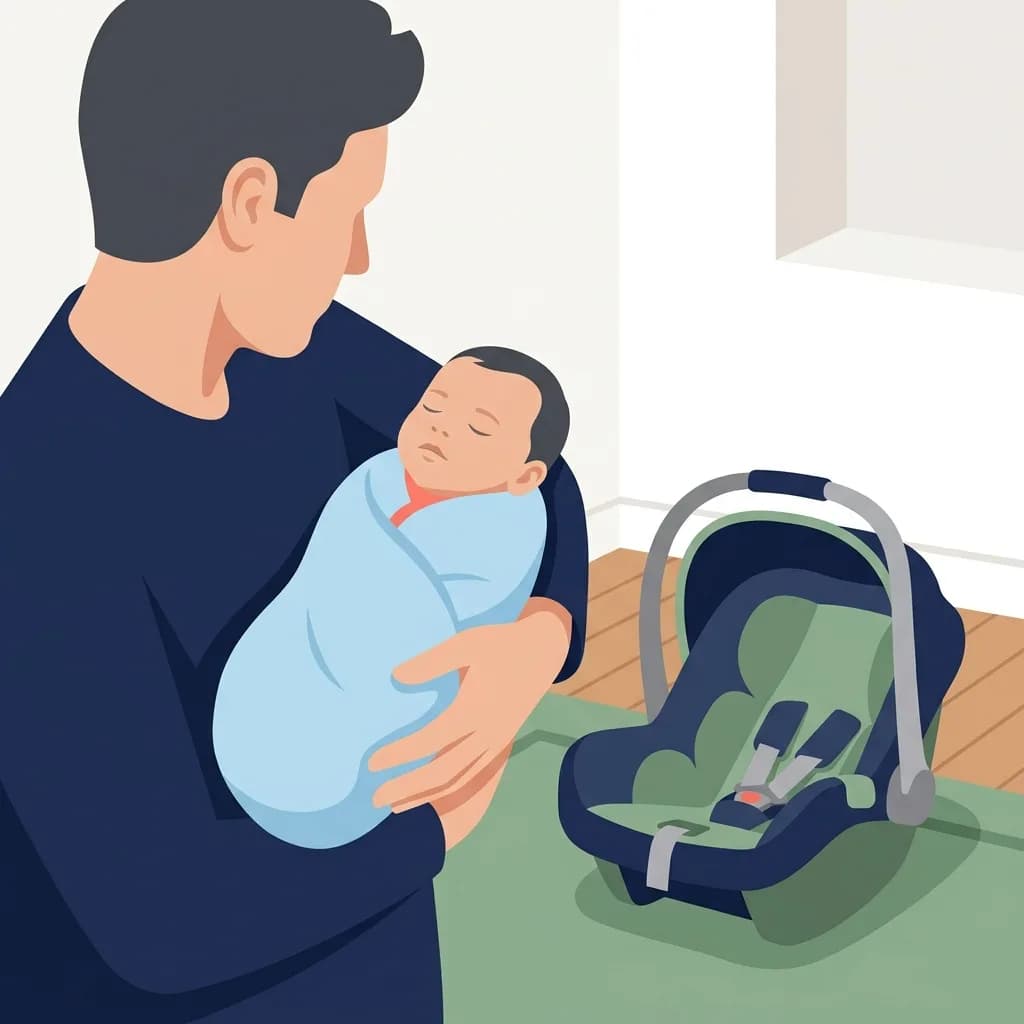
A newborn can use an infant seat or a rear-facing convertible that meets every fit requirement. Decide whether you want a removable carrier.
Ages follow NHTSA’s age groups; seat limits are typical ranges from the American Academy of Pediatrics. Your seat’s manual sets the real limits. Read the complete stages guide.
What each model offers, where it makes sense, and the details worth checking.
A carrier you can lift out of its base.
Rotation brings the harness toward the car door.
One booster with high-back and backless configurations.
Pick two to four seats and line up their size limits, installation, carrying weight and care instructions. Nothing is scored and no winner is picked; the manual for your exact seat still decides.
Practical answers for choosing a seat and living with it.
Child fit, vehicle fit, and the journeys you make. A useful starting point when every seat seems to promise everything.
Read the buying guideWhy width alone does not answer the question.
Certification labels, belt types and what to check.
Start with the exact seat, its label and its manual.
Different parts need different care.
I read the manufacturer manual for the exact US version, link every specification to its page, and list what I could not verify. These are research reviews, not hands-on or crash tests.
My research method