Specifications checked against Nuna’s US site and manual on . Not hands-on tested. How I research
Who is the LUMN combination car seat for?
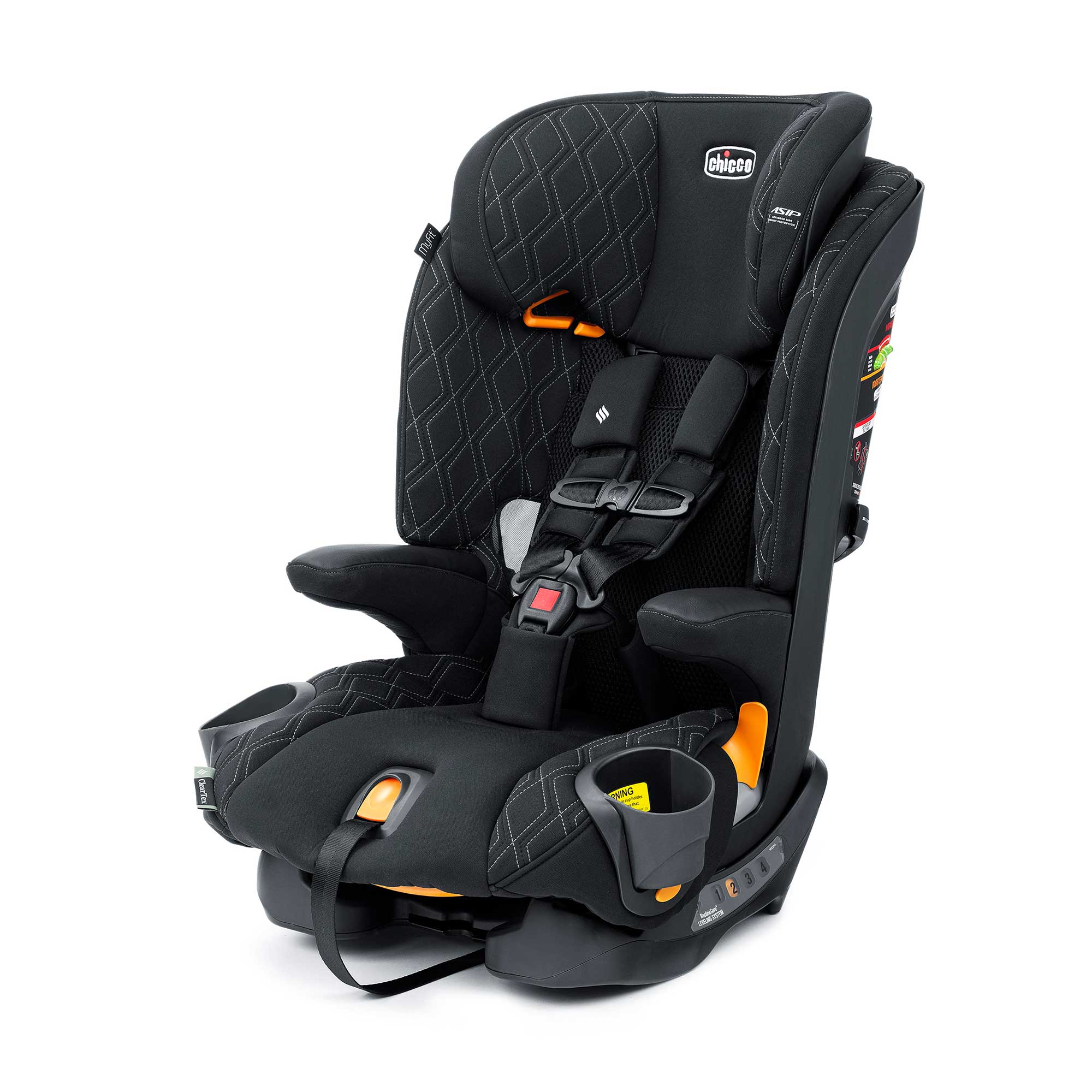
The Nuna LUMN is a forward-facing combination seat. With its harness, it fits children at least 2 years old, 30 to 65 lb and 34 to 49 in. As a belt-positioning booster, it fits children at least 4 years old, 40 to 110 lb and 43 to 57 in. It has no rear-facing mode and expires after 10 years.
Reasons to consider it
Harness to 65 lb, then booster to 110 lb
9 recline positions in harness and booster modes when tethered
FAA-certified in harness mode
Listed at 18.25 in wide in both the highest and lowest positions
Things to weigh up
No rear-facing mode; the harness starts at 30 lb and 2 years old
The tether is required in all modes, and without it the seat cannot recline
Lower anchors are allowed in harness mode only up to 40 lb
Booster mode is not certified for aircraft
My take on the LUMN combination car seat
The LUMN suits a child who has outgrown a rear-facing seat and still needs a harness before moving to a booster. The main trade-off is the tether: the manual requires it in every mode, and without it the seat must stay fully upright. Its harness and booster limits match the EXEC next's forward-facing and booster modes, but the LUMN has no rear-facing mode.
A research summary of Nuna’s published specifications and manual, read . Not a hands-on test or a crash-safety rating.
Who the LUMN combination car seat fits
This seat covers 2 stages, and a child has to meet every limit of the stage they are in. Nuna gives it a 10-year life from the date of manufacture, so check the date label before using a hand-me-down.
Forward-facing harness30 to 65 lb · 34 to 49 in · from 2 years
The child faces forward in the seat’s own harness. Use the top tether every time, and stay in the harness until the child outgrows it.
Belt-positioning booster40 to 110 lb · 43 to 57 in · from 4 years
The seat raises the child so the vehicle’s own lap and shoulder belt sits on the hips and across the shoulder. The child has to sit properly for the whole ride.
What are the LUMN combination car seat weight, height and age limits?
Nuna LUMN combination car seat limits by mode
Mode
Child weight
Child height
Minimum age
Conditions
Forward-facing harness
30 to 65 lb
34 to 49 in
2 years
Manual: at least 2 years old
Belt-positioning booster
40 to 110 lb
43 to 57 in
4 years
Manual: at least 4 years old
A child must meet every limit for the mode they use. The labels on your seat and its manual are the final word.
LUMN combination car seat specifications
Seat weight
26.2 lb
Width
18.25 in
Usable life
10 years
Aircraft use
Certified for aircraft (see manual for which modes)
Dimensions, highest setting
L 26.25 × W 18.25 × H 32.5 in
Dimensions, lowest setting
L 23.5 × W 18.25 × H 25.5 in
Recline positions
9
Headrest positions
10
How the LUMN combination car seat installs
Belt lock-off
True tension door (belt lock-off). A lock-off clamps the vehicle belt so you do not have to switch the belt's retractor into its locked mode.
Lower anchors
Push-on LATCH connectors. Check your vehicle manual for which seating positions have anchors, and switch to the seat belt once the child passes the anchor weight limit in the manual.
Recline
9 recline positions (harness and booster, when tethered). The recline angle is what keeps a young baby’s airway open, so set it before tightening the install.
Harness
No-rethread 5-point harness (stows for booster). Check the harness height at each growth spurt: at or below the shoulders rear-facing, at or above them forward-facing.
Every install is a fit between one seat and one vehicle. Read both manuals, and use a free inspection station if anything is unclear.
Will it fit your car?
At 18.25 in at its widest, measure your back seat before counting on three across. It weighs 26.2 lb, which matters if you will move it between cars or carry it through an airport.
Check your vehicle manual for lower anchor positions and any head-restraint rules.
Rear-facing seats need front-seat room: try the install behind the driver before you commit.
Certified for aircraft use, so it can travel as a seat rather than checked baggage.
What features does the LUMN combination car seat have?
No-rethread 5-point harness (stows for booster)
9 recline positions (harness and booster, when tethered)
10-position headrest
Push-on LATCH connectors
True tension door (belt lock-off)
All-steel frame
Side impact protection
FMVSS 213a and 213b certified (per brand)
Colors listed in the US
Caviar, Cedar, Droplet Dot, Granite.
What to know before you live with it
Harness mode installation
The manual prefers the lap/shoulder belt, with the lower anchor belt as the alternative up to 40 lb; never use both. Raise the head support, lift the seat cover and open the True Tension door to route the belt. The tether must be used for every installation. The seat bottom should sit parallel to the vehicle seat and overhang it by no more than 1 in, although the leg rest may overhang. Do not add towels or wedges to change the angle. Once installed, the seat should move less than 1 in at the belt path.
There are 9 recline positions, set with a recline foot under the seat, and the manual says the top tether must be attached to use any of them. With the lap/shoulder belt or lower anchors plus tether, all positions are available; without the tether, the seat must stay fully upright. The goal is to match the recline of the vehicle seat. In booster mode, do not use it with the vehicle seat heavily reclined or in an extreme upright position.
For booster use, the harness is stored inside the seat and the seat insert must be removed; that insert is only for harness use from 30 to 65 lb. The manual says the booster goes in a rear seat with the lower anchors and tether, the preferred method, which also keeps it secured when empty. If lower anchors cannot be used, the tether should still be attempted, and the empty booster must be buckled in with the vehicle belt. The child rides in a lap and shoulder belt, never a lap belt only. Non-standard lower anchor spacing, such as borrowing outboard anchors for the center seat, is allowed only if the vehicle maker permits it.
The body insert must be used up to 40 lb; after that it can come out when the child no longer fits between its sides. The seat cover and harness pads are washed by the tag on the seat cover. The foam padding must come out of the inserts before cleaning; on the body insert, it sits in side panel pockets. The shell and padded sides or armrests are wiped with a damp cloth. The harness and buckle cannot be removed. Do not use bleach, do not iron the covers, and avoid strong or abrasive cleaners.
No campaign in the current NHTSA child-restraint data names this model family, and I have not run a separate review for it. Check your seat’s model number and date of manufacture before use.
Harness mode is 30 to 65 lb and 34 to 49 in, for a child at least 2 years old. Booster mode is 40 to 110 lb and 43 to 57 in, for a child at least 4 years old.
Nuna's EXEC next page lists a rear-facing mode with the seat belt at 5 to 50 lb and 18 to 49 in, plus forward-facing at 30 to 65 lb and 34 to 49 in and a booster at 40 to 110 lb and 43 to 57 in.
Answers refer to the model and manual version on this page. Check the instructions supplied with your seat.
Before you buy
Weigh and measure your child. The limits above are the manufacturer’s, and a child has to meet all of them for the mode they will use.
Confirm the exact version. Colors, retail exclusives and model numbers change limits more often than you would expect; Nuna lists 4 colors of this seat.
Read the manual before you buy, not after. It is linked above and holds the fit rules, the install methods and the expiry.
Check recalls by model number and date of manufacture, and register the seat with Nuna so you hear about the next one.